
Starting a BusinessKuwait
Setting up a business in Kuwait
KDIPA licences, ownership and steps.
3 min readUpdated 29 Oct 2026
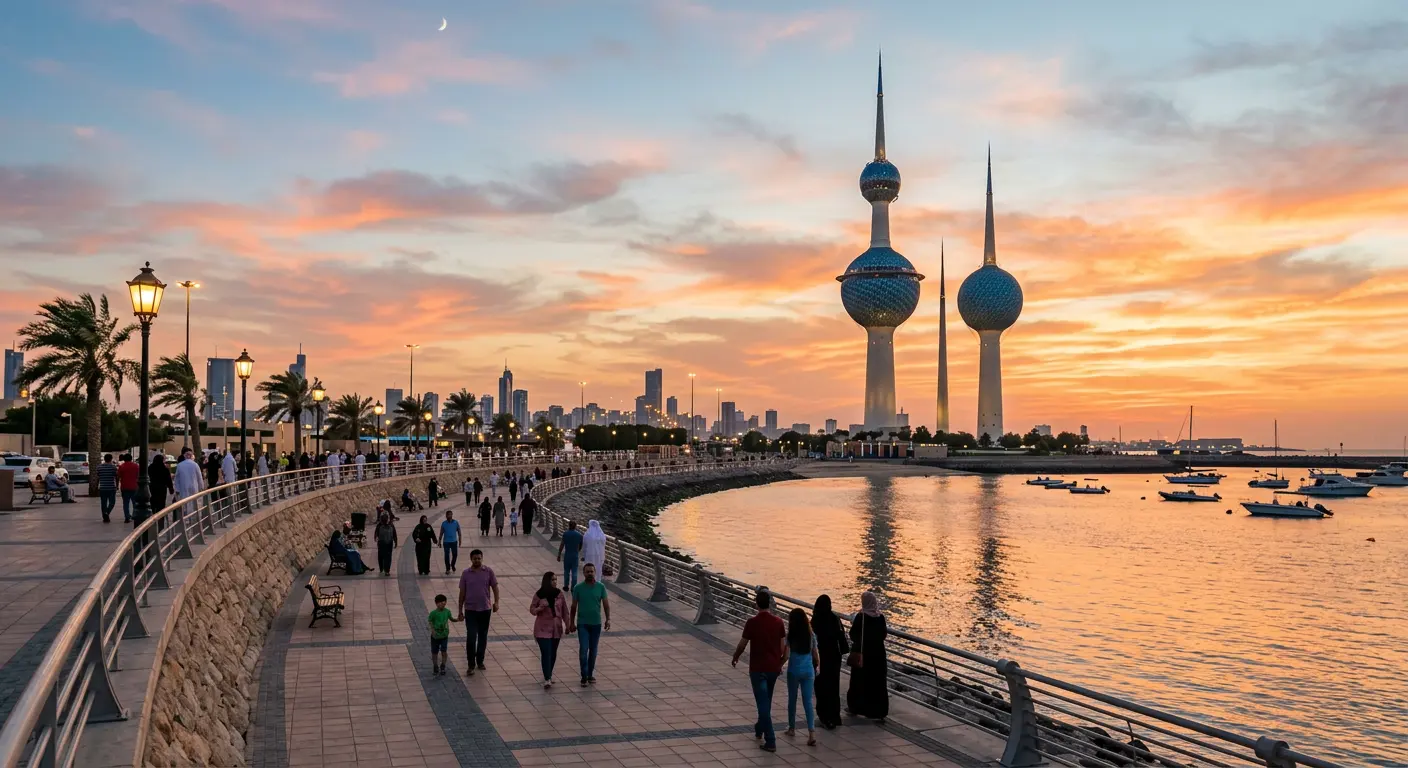
Country guide · KW
A wealthy oil economy with a strong currency, large expat workforce and a more traditional social environment.
Kuwait has one of the strongest currencies in the world and a sizeable expatriate population working in oil and gas, education, healthcare and services. Life centres on Kuwait City and coastal suburbs such as Salmiya.
The system is more document-heavy than its neighbours: attestation, equivalency and the Civil ID are central. In return, there is no income tax, fuel is cheap and teaching and healthcare contracts often include housing.
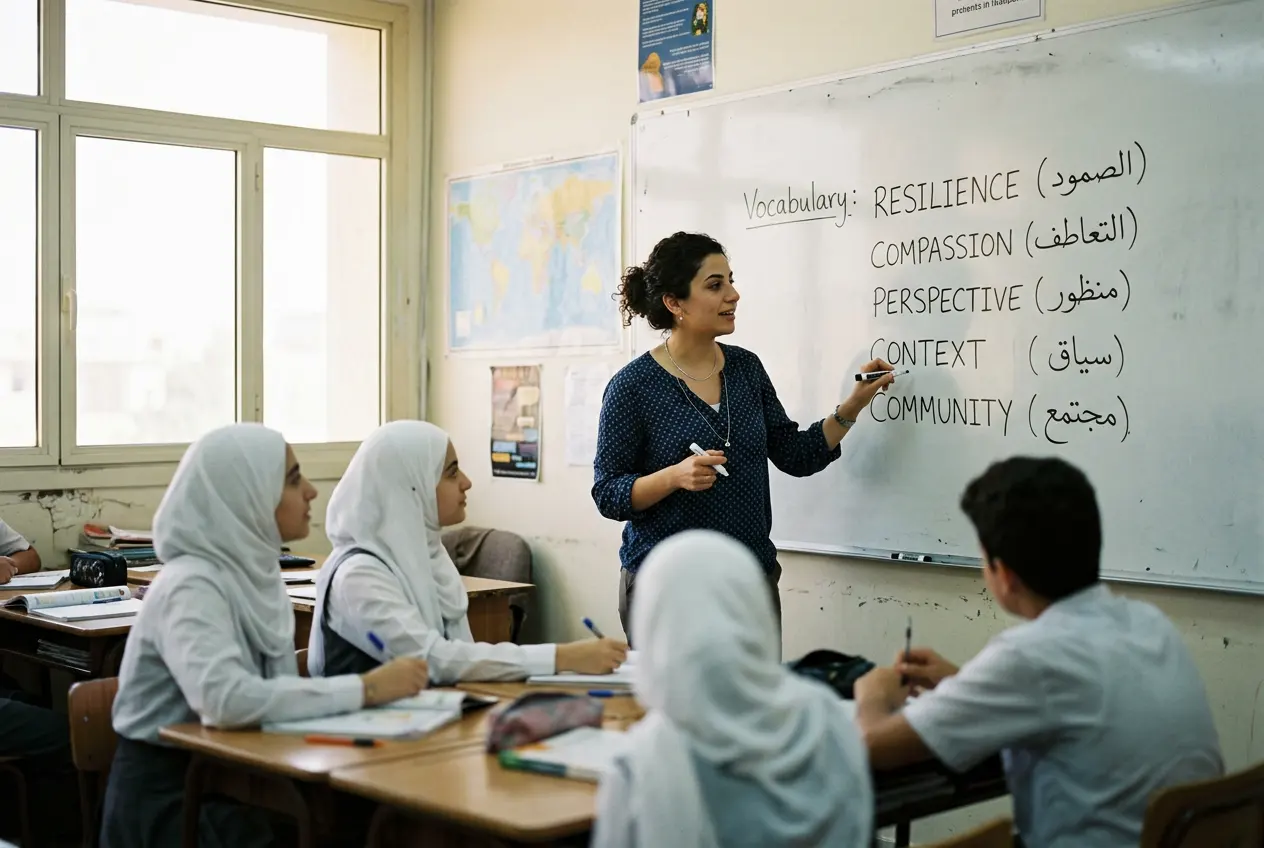
Kuwait · Salmiya
Lina joined a bilingual private school in Salmiya. Teaching contracts in Kuwait often include housing and a yearly flight, which made a modest salary go much further.
Kuwait · Kuwait City
Rose joined a Ministry of Health hospital. Kuwait recruits nurses mainly through government programmes, which are slower but well paid.
Kuwait · Kuwait City
Bilal joined a trading group in Kuwait City. His degree had to match the job title exactly for the visa.
Residence is employer-sponsored under Article 18 (private sector) visas. Family visas are subject to salary thresholds that change periodically.
Among the hottest climates on earth, with summer highs over 45°C; short, mild winters.
KDIPA licences, ownership and steps.

Accounts, KNET and exchange houses.

Private schools, fees and admission.

Health insurance fee, public clinics and private hospitals.
Salary requirement, documents and steps.

Salary and degree conditions, tests and renewal.
There is no personal income tax for individuals in Kuwait.
Article 18 is the residence category for private-sector employees sponsored by an employer.
You need it for banking, renting, SIM cards and most government services. Keep it valid and use the Sahel app for a digital copy.
Unpaid debts and fines can lead to a travel ban. Settle everything before your final departure.